
Consumer Law
Consumer Complaints in India: Complete Guide
From refund fights to service deficiency, learn how the Consumer Protection Act, 2019 works in practice—notices, commissions, evidence, and settlement strategy.
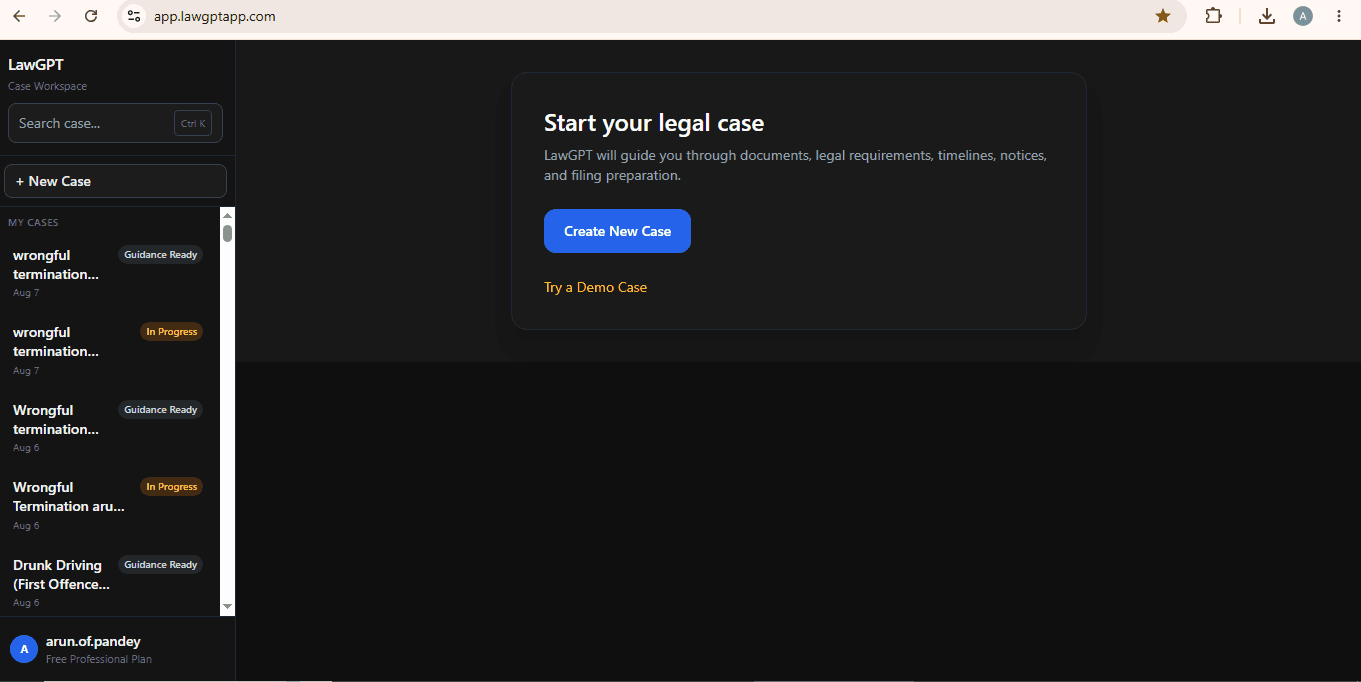
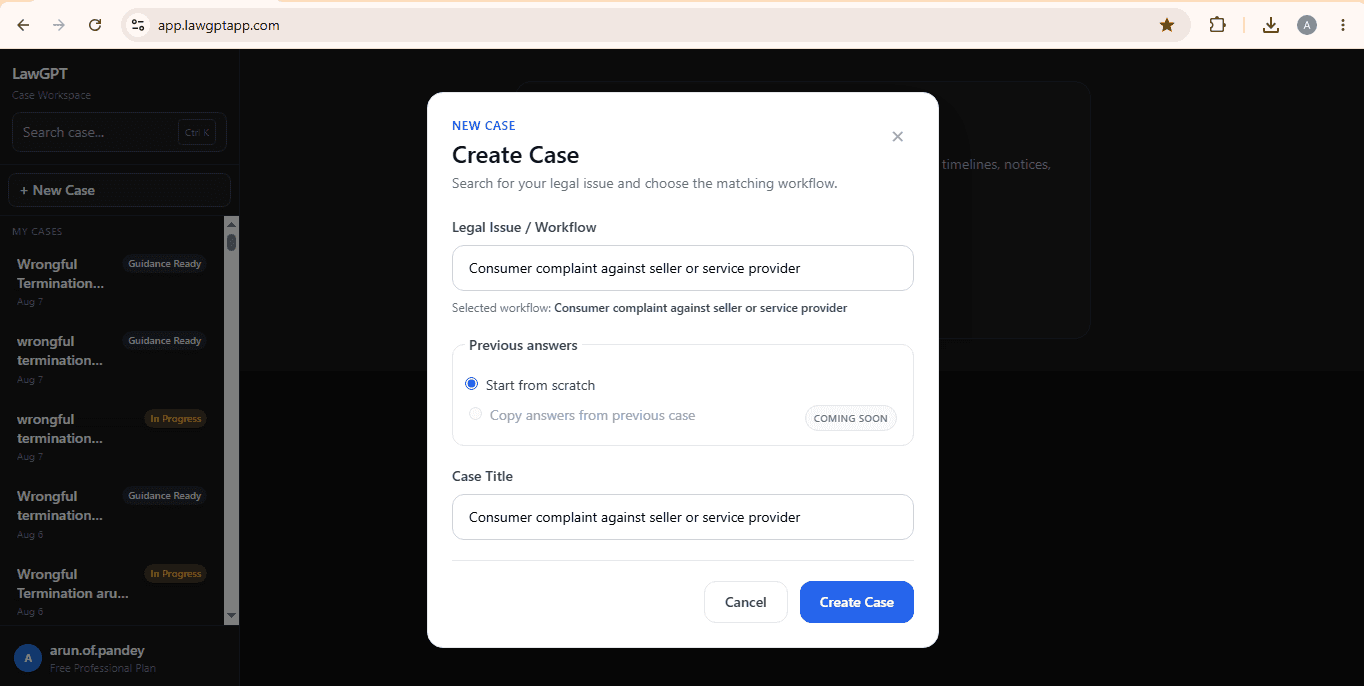
Consumer complaint workflow walkthrough · 3 min · plays inside LawGPT
If a product fails, a refund never arrives, or a service falls far short of what was promised, Indian law gives consumers a dedicated pathway that is meant to be faster and more accessible than ordinary civil suits. The Consumer Protection Act, 2019—and the commission structure under it—exists for exactly these disputes. This complete guide explains how to move from frustration to a structured complaint without drowning in jargon.
A consumer dispute is usually about a defect in goods, deficiency in service, unfair trade practice, or misleading advertisement that caused loss. You must generally be a consumer—someone who buys goods or hires services for consideration, not purely for resale or commercial bulk trading in the classic sense. Start-ups buying SaaS, patients paying hospitals, students paying coaching institutes, and shoppers on marketplaces all raise fact patterns the commissions see daily.
Map the problem before you map the forum
Write down what you paid, what was promised (invoice, listing, brochure, WhatsApp confirmation), what went wrong, when you complained to the business, and what response you received. Attach proof of payment and proof of the defect or deficiency. Many “strong” cases fail because the consumer cannot show the contract terms they rely on—especially for online purchases where screenshots disappear after returns windows close.
- Identify the opposite parties: seller, marketplace, manufacturer, service provider, insurer
- Collect invoices, warranties, chat transcripts, and courier tracking
- Note every complaint ticket number and escalation email
- Calculate actual loss: price paid, consequential expenses, interest if claimed carefully
- Decide whether you want refund, replacement, repair, or compensation
- Check limitation—do not assume endless time to file
Internal escalation still matters
Commissions expect you to have given the business a fair chance. Use grievance emails, app tickets, and registered letters. For regulated sectors—telecom, banking, insurance—sector ombudsman or grievance redressal mechanisms may be useful parallel or prior steps. Keep a calm paper trail; rants without dates help less than a short timeline with ticket IDs.
Legal notice and then complaint
A legal notice is not always mandatory for every consumer filing, but it remains a powerful practical step. It crystallises demands, shows seriousness, and often triggers refund desks that ignored chat support. If ignored, file a consumer complaint with clear prayers: refund, replacement, removal of deficiency, compensation for harassment and litigation cost where justified, and any interim relief you truly need.
| Stage | Goal | Artefact |
|---|---|---|
| Evidence freeze | Stop proof from vanishing | Invoice, chats, photos, tracking |
| Seller escalation | Show good faith | Ticket trail and emails |
| Legal notice | Formal demand | Served PDF with tracking |
| Commission complaint | Adjudication or settlement | Pleadings plus annexures |
| Compliance | Collect the order’s fruit | Certified copy and execution steps |
What “deficiency” and “defect” mean in practice
A defect relates to goods—quality, quantity, purity, potency, or standards claimed. Deficiency relates to services—imperfect performance, omission, or inadequacy relative to what was promised or required. Unfair contracts and misleading ads also power modern consumer claims. Your job is to connect the legal label to exhibits: a blurry photo of a scratch without an unboxing video may be weaker than a courier seal photo plus service-centre rejection report.
E-commerce and marketplace realities
Online shopping disputes often involve multiple entities. Marketplaces may claim they are intermediaries; sellers may hide behind trade names; logistics partners delay reverse pickups. Plead parties carefully based on who took your money, who promised delivery, and who controls refunds. Preserve listing screenshots, return windows, and payment gateway confirmations.
Complete-guide action checklist
- Freeze invoices and digital chats this week
- Send a clear written demand with a deadline
- Choose District, State, or National tier by value rules
- Draft prayers that match proven loss
- Index annexures before e-filing or physical filing
- Attend hearings or authorise representation properly
How LawGPT helps you stay organised
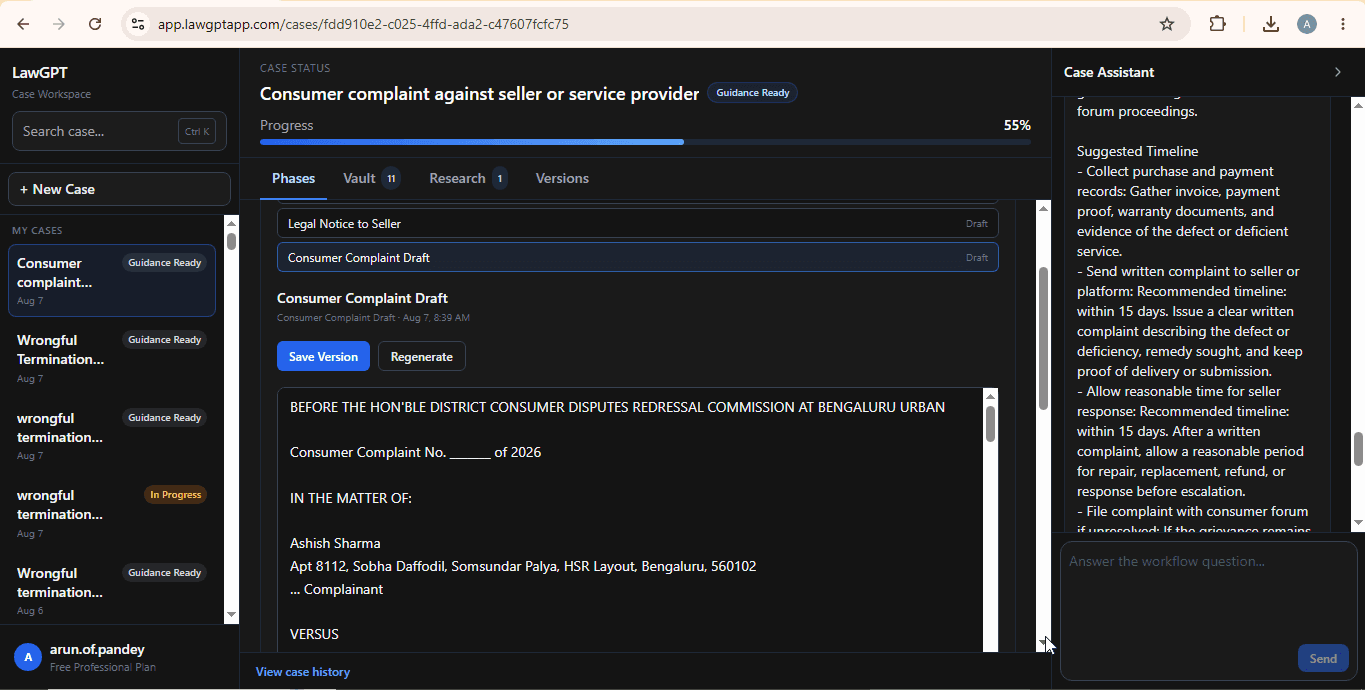
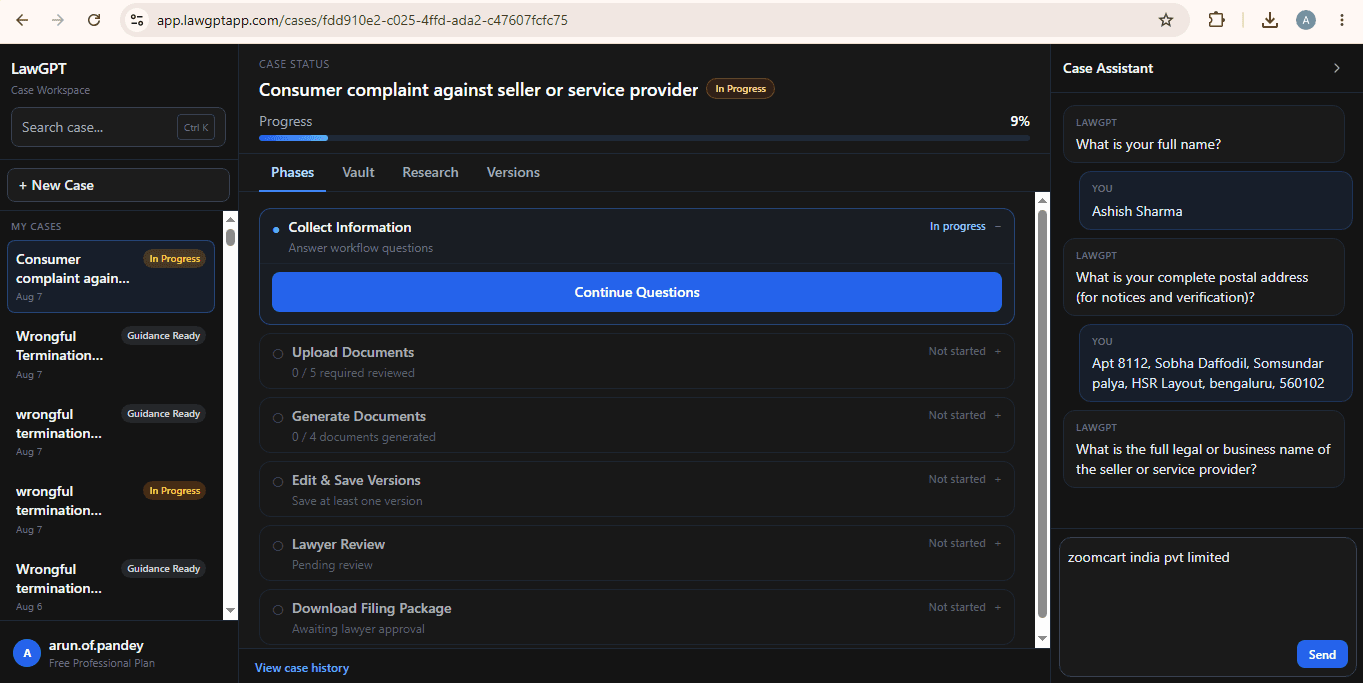
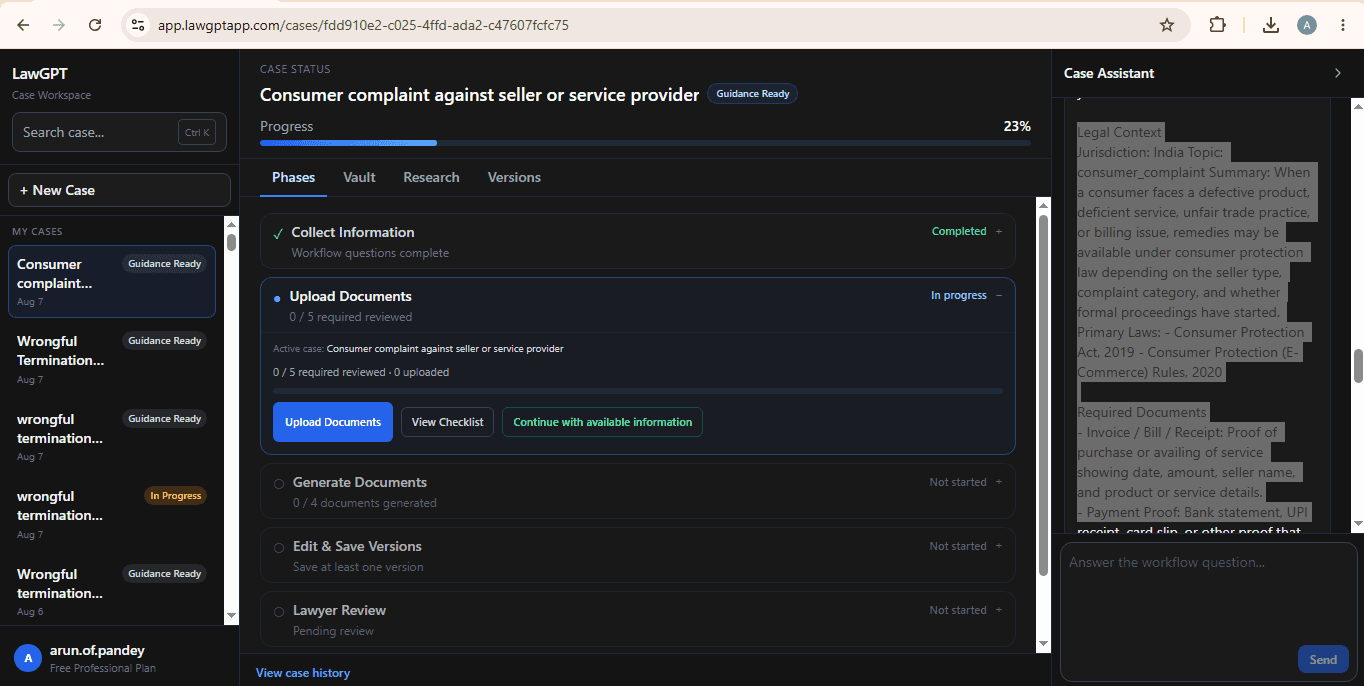
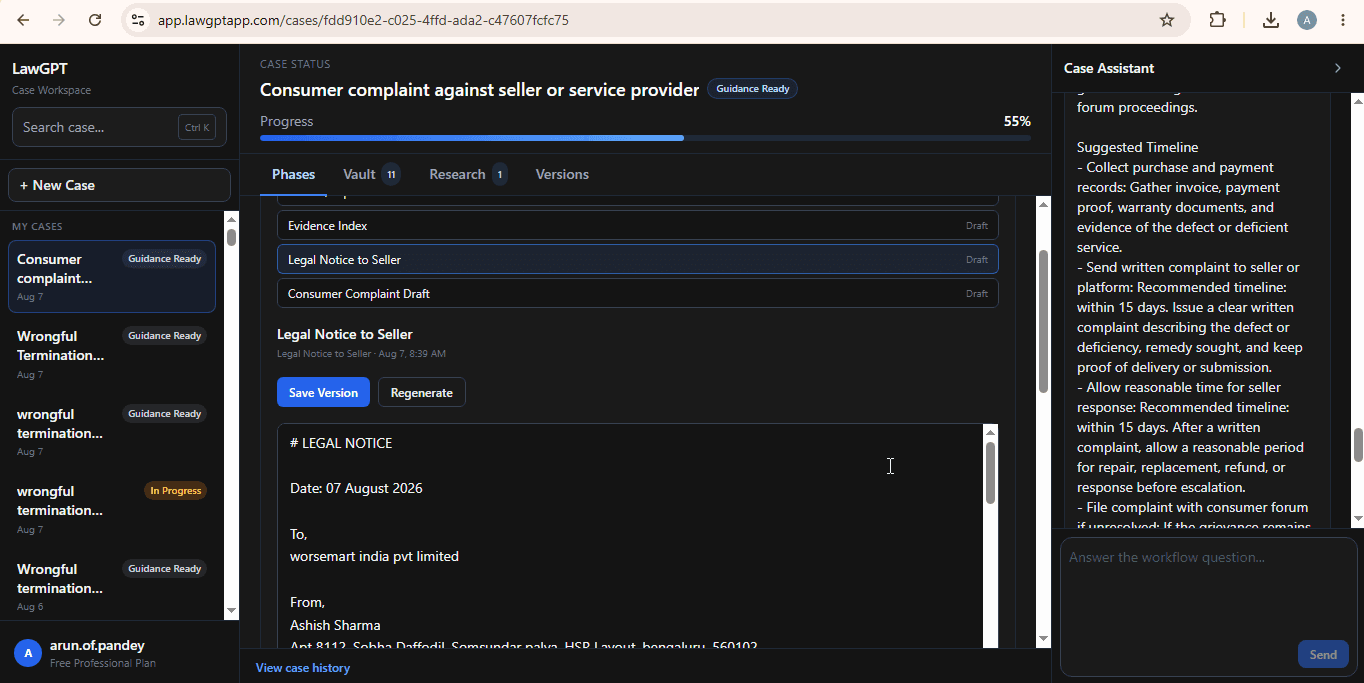
LawGPT’s /workflows/consumer-complaint path walks through guided questions, case summary, research context, notice and complaint drafts, optional lawyer review, and a downloadable package. Use /platform when you want the broader OS around the matter. Education still comes first: know your rights and forum, then use software to reduce drafting friction.
Consumer law rewards persistence with papers. Businesses settle when the file looks ready. Commissions decide when settlement fails. Either way, a complete, calm record is your main asset.
Pecuniary jurisdiction without folklore numbers
Under the Consumer Protection Act, 2019 architecture, District, State, and National commissions divide work using monetary thresholds tied to the value of goods or services paid and compensation claimed. Those thresholds have been updated over time, so treat any memorised figure from an old article as suspect. Before filing, check an official source or recent practice note for your commission. Overclaiming compensation merely to reach a preferred forum can backfire on maintainability and credibility.
Draft prayers with a clean split: refund of price paid, quantified consequential loss, and a reasoned compensation figure if harassment or repeated deficiency is proven. Inflated “mental agony” claims on a ₹2,000 product dispute make serious buyers look unserious. Proportion is persuasive.
Product liability and unfair contracts—modern tools
The 2019 Act sharpened focus on product liability and unfair contract terms. If a shrink-wrap clause says the seller has zero liability for defective goods even when a core function fails, do not assume that clause ends your case. Save the terms, plead the unfairness with specificity, and still prove the factual defect. Similarly, product liability concepts can reach manufacturers and sellers in defined ways—party selection matters more than slogans.
When sector regulators sit beside consumer forums
- Telecom and broadband grievance cells
- Banking and payment ombudsman schemes
- Insurance grievance and ombudsman pathways
- Electricity consumer grievance redressal in many states
Sector mechanisms can be faster for narrow issues. They do not always grant the same compensation toolkit as consumer commissions. Parallel or sequential strategies are fact-specific; keep copies of every sector filing so your commission complaint can show diligence.
Hearing day pragmatism
Arrive with indexed papers, a one-page chronology, and a settlement floor. Speak to the facts in the complaint, not new allegations invented at the podium. If the opposite party springs a document, ask for time rather than guessing. Commissions appreciate consumers who are organised; they see many who are only angry.
LawGPT’s /workflows/consumer-complaint path exists to make that organisation default—guided intake, summary, drafts, optional review, downloadable package—while /platform hosts the wider OS. Educate yourself first with guides like this, then let software remove blank-page friction.
Multi-party pleading in plain terms
Consumer cases often fail strategically—not legally—when the refund-controlling entity is left out. Walk through the money: which company name appears on the payment gateway receipt, which name appears on the tax invoice, which brand manufactured the goods, and which support desk closed your ticket. Each name is a candidate party. You can still keep the narrative focused: one chronology, multiple respondents where facts require.
If a marketplace insists it is only a “facilitator,” plead the representations it made about delivery guarantees, authenticity filters, and refund automation. Substance over labels applies in consumer law as much as employment law. Your annexures should include the help-centre pages you relied on, not only the seller chat.
Hearing room etiquette that affects outcomes
Arrive early, dress simply, and speak when asked. If you settle outside the room, insist the terms are recorded properly. If you need a translator or digital display of photos, ask the registry practice in advance. These human details are not in the statute, but they influence whether your well-prepared file gets a clean hearing.
From mediation room to order compliance
Mediation succeeds when both sides leave with a dated plan. Bring your floor and your preferred mode of refund. If you agree, write the amount, date, UTR commitment, and whether the complaint will be withdrawn on payment. If mediation fails, ask what the next hearing date is before you leave. The gap between “we will see” and a diary entry is where months disappear. After an order, compliance is a project: certified copy, written demand referencing the order, and execution if ignored. Winning on paper without compliance work is an incomplete victory—close the loop as carefully as you opened the case in /workflows/consumer-complaint.
Inside the LawGPT workflow
Frequently asked questions
Not always. Consumers can appear in person, but drafting, party selection, and evidence strategy improve with help—especially for high-value or multi-party e-commerce disputes.